

If you're looking for tips and tricks for SimCity BuildIt, you've come to the right place. EA's SimCity series has been around for over 20 years, evolving and encompassing diverse themes to become the best simulation game series available, with no other title challenging its dominance. This mobile version tests your management, strategy, and planning skills , adapting classic mechanics to a touchscreen environment and focusing on managing scarce resources.
Like any other simulation game, we must always consider a large number of factors, although the main one is always meeting the needs of the residents and/or users. In this particular title, we must pay attention to housing, sports, leisure, infrastructure, and basic services, though not exclusively. The ultimate goal is to become the best mayor in SimCity BuildIt , optimizing the gameplay experience to progress smoothly and obtain the highest revenue without resorting to microtransactions.
Before going deeper, it's vital to understand the game's economy. There are two main currencies: Simoleons , the common currency obtained through taxes, sales, and leveling up, used for general growth; and SimCash , a much rarer premium currency used to speed up processes and gain immediate advantages, which is primarily obtained through bonuses and achievements.
The larger the population and the higher the density, the more taxes you will collect.
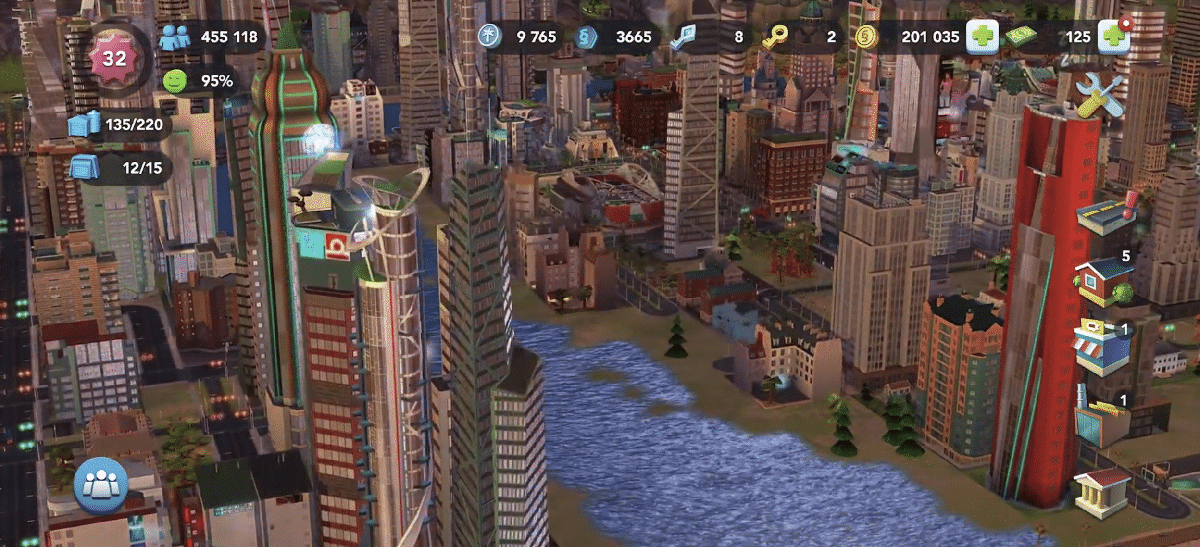
Population growth isn't just a size metric; it's the economic engine of your city, as it determines the amount of tax revenue you can collect . While it's true that the larger a city is, the more resources you'll need to allocate to meet residents' needs and the more money you'll spend, this is more than offset by the significantly higher tax revenue you'll generate.
To attract new residents and increase population density, your city must offer a wide range of public services and, above all, entertainment options such as amusement parks, movie theaters, shopping malls, bars, and restaurants. The more services residents have available, the happier they will be, allowing us to raise taxes without triggering complaints or mass exodus.
A key strategy is to prioritize upgrading existing buildings to their full potential before constructing new ones. Building skyscrapers and modern buildings is far cheaper in the long run than filling the city with single-family homes. A single high-density building can concentrate a large portion of tax revenue without having to spread services throughout the city, thus optimizing land value and reducing spending on road infrastructure.
To maximize this process, ensure that residential areas are within easy reach of advanced services such as education (schools and universities) , efficient transportation (buses and expressways), and landmarks. Combining these elements unlocks premium buildings that can house more residents in the same space, significantly increasing your daily revenue.
Intelligent storage management: the key to progress
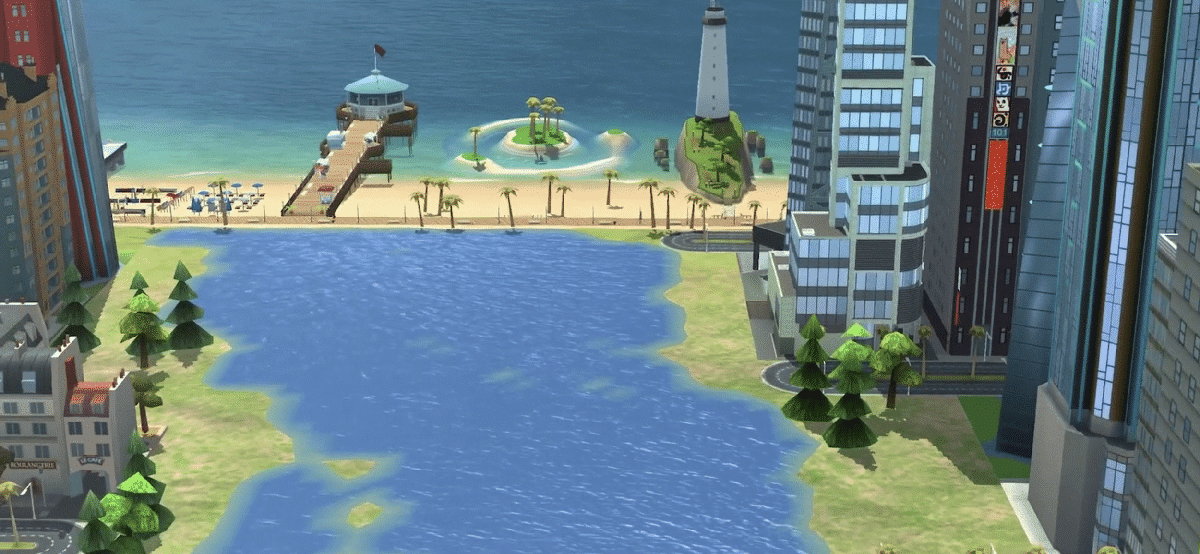
The city's warehouse is one of the most critical and limited resources. A small warehouse acts as a bottleneck, slowing down production and forcing you to discard essential materials. To expand its capacity, you must actively search for and collect locks, shovels, and storage items that appear in daily gift chests and in the blue bubbles you find when visiting neighboring cities.
It is highly recommended to prioritize using SimCash to expand your warehouse rather than to accelerate construction. Ample space allows for uninterrupted production and provides a buffer to capitalize on global market opportunities. All products you purchase or manufacture should be strategically stored to cover unforeseen needs for food or building materials.
To optimize space, avoid overloading your inventory with low-value products. Focus on high-cost, high-demand items , such as electronics, textiles, and furniture, which take up little space but represent significant economic value and are frequently required for advanced missions.
Global Market: Strategies for buying, selling, and speculation
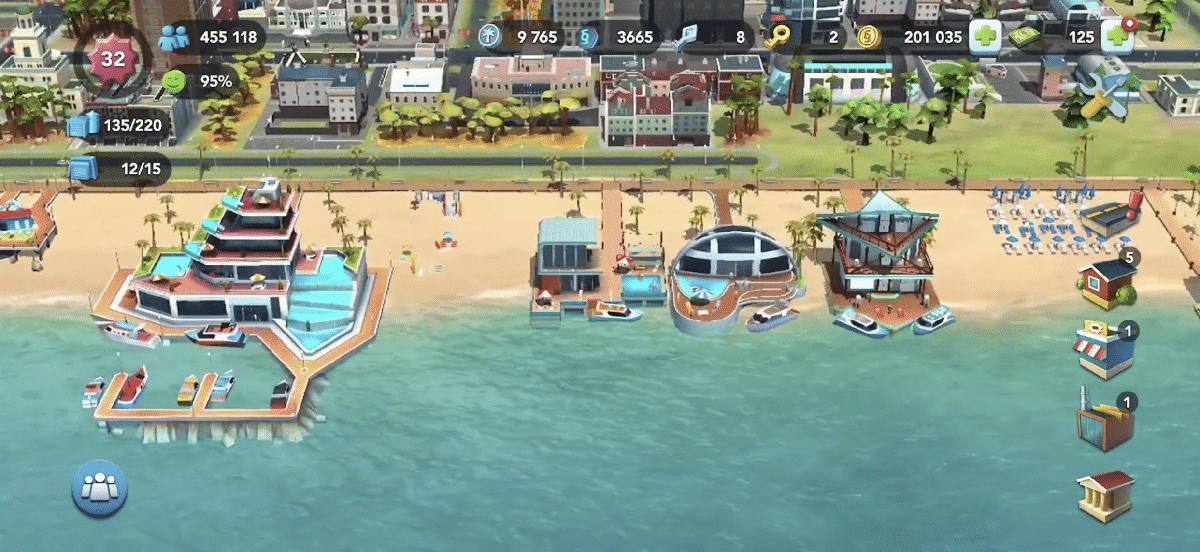
The Global Market is an essential tool for any efficient mayor. Sometimes, it's cheaper to buy basic products like meat, fish, or fruit at the Farmers Market than to produce them yourself, as you don't dedicate additional time and space, and you avoid losing crops to adverse weather conditions.
Before making any transaction, it is mandatory to consult the Price Guide . This tool indicates the appropriate values for each item, preventing you from overpaying and benefiting the overall economy. Remember that the game has a safety system: if you list an item for sale and no player buys it, the game system will eventually acquire it , guaranteeing that you will always make a profit.
To sell more efficiently, consider the following tips:
- Sells in packages: Players tend to buy more when you offer bundles of products (e.g., packs of donuts, televisions, or bricks) instead of individual units.
- Speculate on the market: Buy cheap products when there are sales and resell them at the standard price to quickly earn simoleons.
- Identify bottlenecks: Purchase materials such as cheese, flour, or berries when they become available if you notice that their slow production is hindering your progress.
Continuous production and factory management
To generate consistent income, your factories must be running continuously . The secret of skilled players is to never leave a machine idle, ensuring that raw materials are always available. If you want your factories to be a source of revenue, put surplus production up for sale in the Trading Depots.
Regarding industrial infrastructure, avoid maintaining facilities that are no longer useful under the pretext of "just in case." If you've built several factories for a specific project and no longer need them, the most cost-effective solution is to sell the facility to recoup some of your investment. Converting a factory is often almost as expensive as building a new one, so selling it to the highest bidder is the most logical approach.
Invest from the start in stores and factories producing high-demand products like donuts, bricks, televisions, textiles, and furniture . These items have a very rapid turnover in the market, ensuring a constant flow of cash. If there are no buyers at any point, use your warehouses to store stock and wait for prices to rise, although remember that this depends on market volatility and the community's specific needs.
Taking advantage of offers and business ethics
Buying cheap goods at the Trade Warehouse is an excellent strategy, as long as it's done wisely. Don't buy items just because they're cheap if you don't have the space or need for them, as this will force your city to build new warehouses prematurely.
Take advantage of sales on non-perishable food items (like salt or flour) and products you plan to use in the near future to improve roads or expand buildings. You can even adjust your short-term plans if you find an irresistible offer on a valuable material, investing in projects related to that resource.
An important point is ethics in trading . Sometimes you'll find valuable items at ridiculously low prices (like 1 Simoleon); this is usually a sign that two users are trading items with each other. Avoid acting like a "troll" and taking advantage of these private transactions, as fostering a healthy community benefits all players in the long run.
Urban planning and infrastructure design
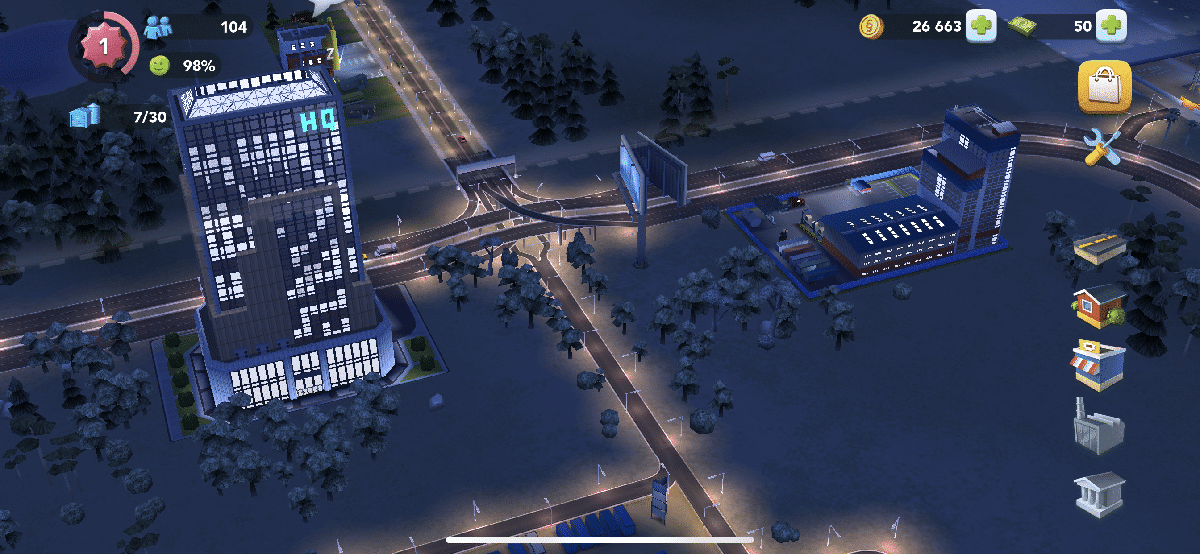
The design of your city directly impacts the happiness of its citizens and your costs. When improving road infrastructure, it's advisable to build short, cross-sectional roads . This is key because, when you need to repair a section, the costs will be much lower than if you had to repair a long, straight road.
Furthermore, intelligent design improves traffic flow , which increases overall satisfaction. To achieve an efficient city, consider the following:
- Strategic zoning: Keep factories and industrial areas away from residential areas so that pollution does not affect the quality of life.
- Service distribution: Place hospitals, police stations, and fire stations so that they cover as many homes as possible without unnecessary overlaps.
- Flexibility: Don't be afraid to demolish buildings that hinder future growth. Experiment with M- or L-shaped designs to optimize service delivery.
Advanced tactics for making money without hacks
Making money efficiently is a mix of observation and management. Besides taxes, there are fast tracks to earn Simoleons:
- Cargo and Airport Shipments: Once unlocked, prioritize these orders. They're the easiest way to earn large sums of money while simultaneously freeing up warehouse space by sending materials you no longer need.
- Daily Chests: Collect your daily gift without fail. After completing 7 consecutive days, you'll receive a chest of gold with special rewards. Even if the content isn't useful for building, you can always sell it on the Global Market.
- Visits to Neighbors: Visiting other cities is not only social, but also lucrative. The gifts you receive can be exchanged for cash or valuable products.
Avoid spending SimCash on speeding up routine processes; reserve it exclusively for critical expansions like warehouses or factory capacity. The microtransaction trap is real, and patience is your best ally in building the city of your dreams without impacting your real money.
The road to the metropolis: Patience and Strategy
It's important to recognize that many Electronic Arts games are designed with psychological techniques to encourage constant spending of real money. If you feel your progress is becoming excessively slow, remember that consistency is key. If you have the option, playing on a computer or console usually eliminates the pressure of in-app purchases.
In the mobile environment, patience is key. Don't expand your city beyond what you can sustain with current services, as premature expansion leads to a drop in happiness and slows overall progress. Prioritize functionality over aesthetics in the early stages; you'll have time to beautify your metropolis when resources become plentiful.
Interacting with the community, joining clubs, and participating in specialized forums can open doors to rare resource exchanges and expansion strategies not found in the manuals. By combining continuous production, aggressive yet ethical trading, and smart urban planning, you'll make your city the envy of the region.
Building a thriving city in SimCity BuildIt requires a delicate balance between citizen satisfaction and mayoral ambition. From meticulous warehouse management to speculation on the Global Market, every decision counts toward maximizing tax revenue. By keeping factories running, prioritizing high-density buildings, and utilizing cargo shipments, any player can transform a small settlement into a vibrant and profitable metropolis without resorting to external cheats or excessive spending.
Table of Contents
- 1 The larger the population and the higher the density, the more taxes you will collect.
- 2 Intelligent storage management: the key to progress
- 3 Global Market: Strategies for buying, selling, and speculation
- 4 Continuous production and factory management
- 5 Taking advantage of offers and business ethics
- 6 Urban planning and infrastructure design
- 7 Advanced tactics for making money without hacks
- 8 The road to the metropolis: Patience and Strategy