If you're considering upgrading from an iPhone or simply want to refresh your current device, you're likely facing a choice between two tech giants . The battle between Google and Samsung isn't just about brands, but about entirely different philosophies on what the smartphone user experience should be.
For someone who doesn't want to complicate their life, choosing might seem like a headache, but the reality is that the decision depends on your priorities : whether you're looking for a tool that's a total control center for your home and work, or if you prefer a smart device that anticipates your needs with the magic of Google's AI.

The software showdown: One UI versus stock Android

The most noticeable difference when you turn on the device is the interface. Samsung uses One UI , a highly robust customization layer that allows you to tweak every last detail of the system. For users who enjoy tinkering with settings or use tools like Good Lock, this option is a paradise, although in return it includes more pre-installed apps that can be annoying.
On the other side, we have Google, which is betting on the Pixel UI . There are no unnecessary frills or bloatware here; it's the cleanest vision of Android. The most appealing aspect is the speed of updates , since, as the creator of the system, Google rolls out new features much sooner than any other manufacturer, preventing users from having to wait for Samsung to adapt the version to its own interface.

Hardware and Performance: Raw Power vs. Intelligence
When it comes to power, Samsung typically goes the extra mile. Its processors, like those in the S series, are designed for demanding tasks and gaming , delivering more aggressive and fluid performance in heavy multitasking. Furthermore, Samsung excels at creating an interconnected ecosystem ; if you already own a Samsung watch, tablet, or even television, the synergy is seamless, allowing you to control your smart home with SmartThings without ever leaving your phone.
For their part, the Pixel phones aren't aiming to win in raw power benchmarks, but rather in intelligent efficiency . Google's Tensor chip is optimized for AI, which translates into useful everyday features, such as automatic spam call filtering or the ability to summarize conversations and extract contextual data from your emails while you're on a call.

The battle of the cameras: Realism or Visual Impact?

This is the point where the most debate arises. Google is famous for its natural photo processing , striving to make the image as faithful as possible to what the human eye perceives, particularly excelling in HDR and white balance. Its AI tools, such as the ability to add people to photos , add powerful creative value.
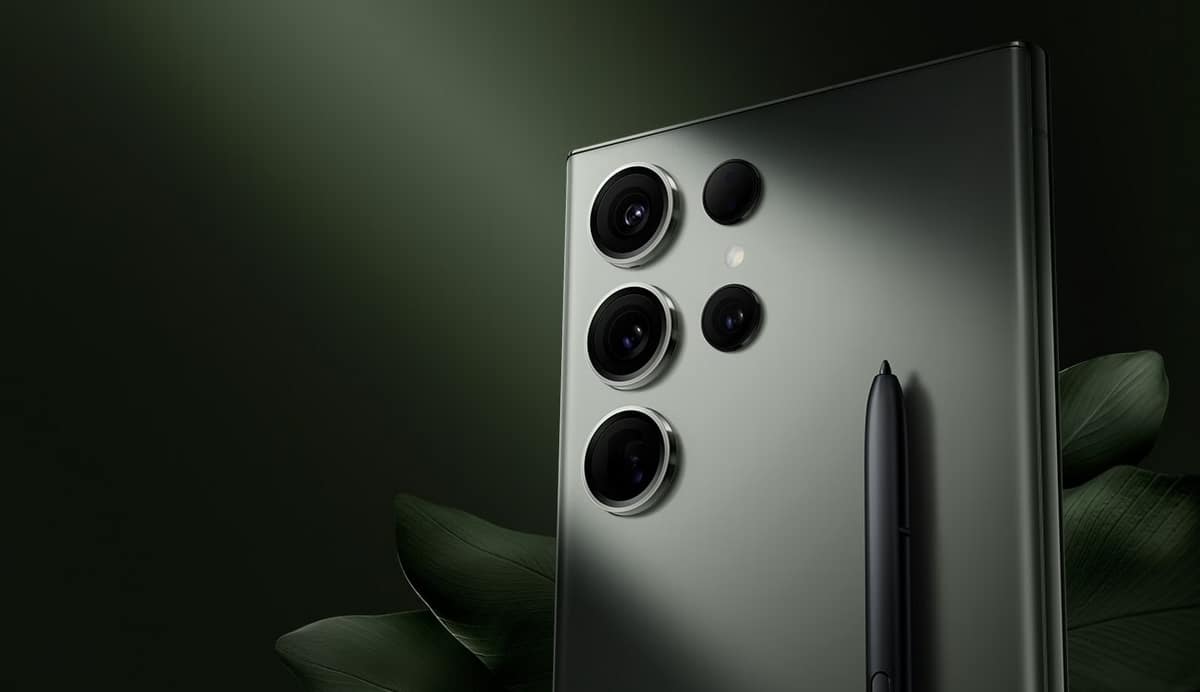
Samsung, on the other hand, opts for a more striking aesthetic. Its photos typically feature more saturated colors and automatic retouching that makes images ready for social media without further editing, allowing users to take advantage of Samsung's photo correction software and AI tools . Furthermore, in the Ultra range, Samsung has the advantage in optical and periscope zoom , enabling long-distance captures that the basic Pixel models cannot achieve.
Battery, Design and Longevity
In terms of physical appearance, Samsung favors more compact and lightweight designs in its base models, while the Pixel phones have evolved towards a distinctive aesthetic with their camera bar and bolder colors. Regarding battery life, although Pixel phones typically have batteries with higher nominal capacity, actual battery life varies depending on usage, and Samsung sometimes suffers from slower charging speeds compared to other manufacturers in the market.
One area where both brands have agreed to compromise is support. It's now common to find that both brands promise up to seven years of system and security updates. This means you no longer have to choose a brand based on how long the software will last, but rather on the update frequency you prefer.

Final considerations based on your budget
If you're on a budget, Google usually offers a more affordable entry point with its 'a' series models, which maintain the essence of the Pixel at a lower price. Samsung, on the other hand, focuses its strength on the high-end range, where resale value and carrier promotions tend to be more aggressive, making its top-of-the-line devices more accessible.
The final choice comes down to whether you value extreme customization and the power of a closed ecosystem, or whether you prefer the agility, minimalism, and intelligent features of software optimized by the creator of Android itself, knowing that in both cases you will have a premium device capable of withstanding the test of time.